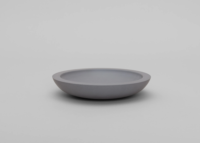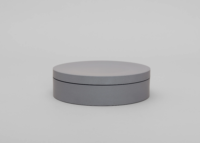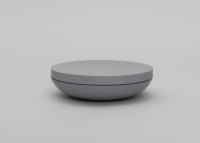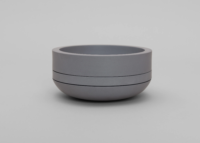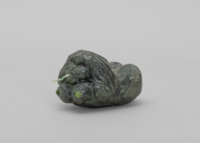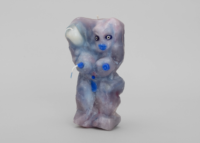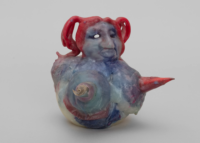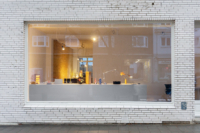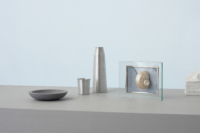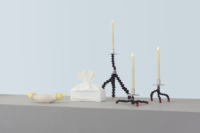
kammer is pleased to present the work of Edward Dean, Bernhard Hegglin, Max Milà Serra and Julian Tromp.
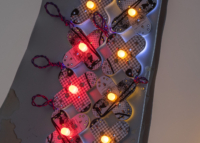
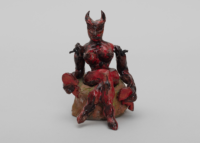
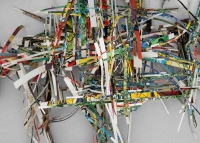
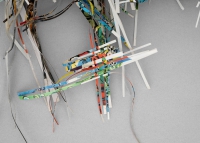
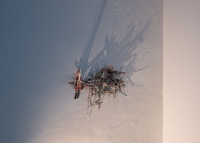
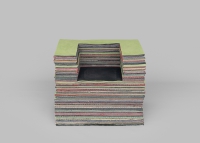
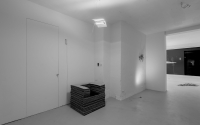
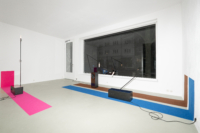
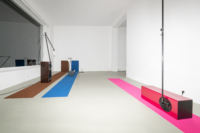
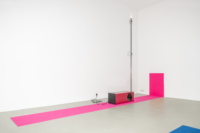
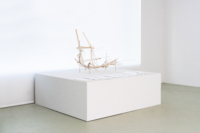
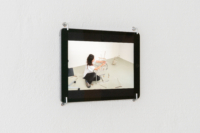
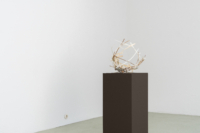
In the exhibition, industrially manufactured materials appear in weakened form. Through weaving, stacking, stretching, cutting and modelling, the works suspend form and use. Structures that ordinarily stabilise objects instead appear provisional, contingent, or slightly exhausted.
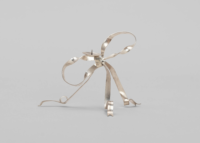
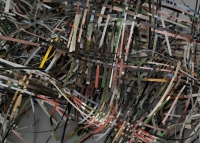
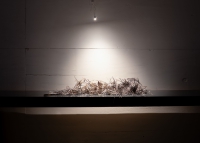
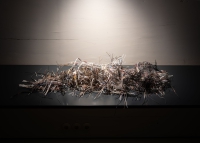
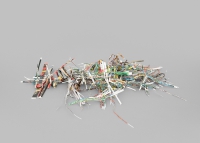
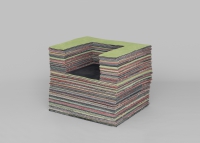
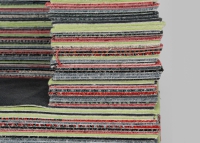
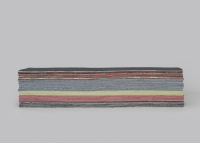
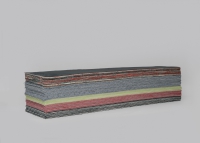
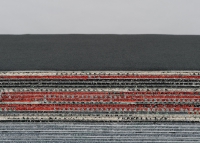
Carpet is layered into furniture without fastening. Books are cut apart and rewoven into support structures. Fabric surfaces remain loosely tensioned, responding subtly to air movement in the room. Digitally modelled forms become thin enough to resemble paper.
Across the exhibition, techniques associated with permanence no longer fully secure form. Works sit between construction and disintegration.
Edward Dean (b. 1996, Wodonga) is a visual artist currently based in Zürich.
Bernhard Hegglin (b. 1989, Zürich) is a visual artist living and working in Zürich.
Max Milà Serra (b. 1994, Barcelona) is an industrial designer based in Barcelona.
Julian Tromp (b. 1993, Vienna) is a visual artist living and working in Vienna.
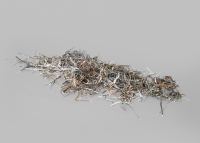
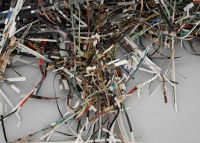
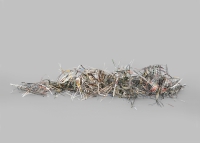
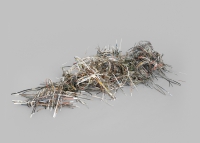
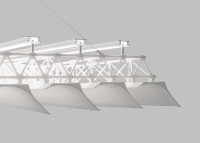
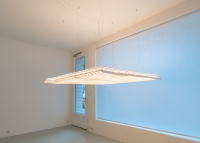
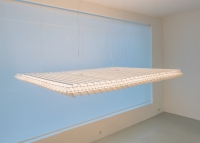
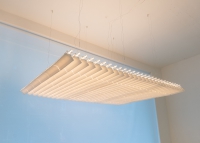
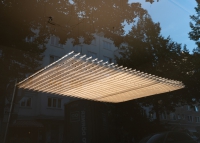
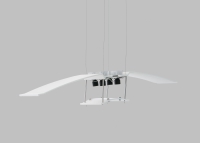
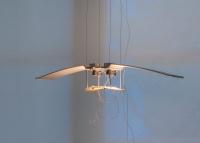
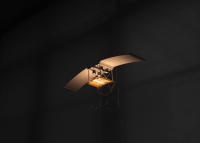
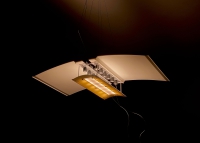
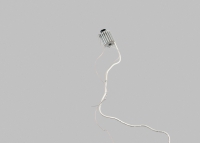
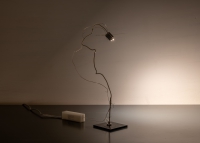
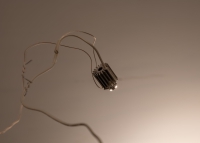
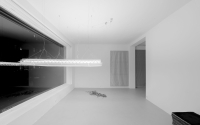
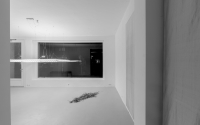
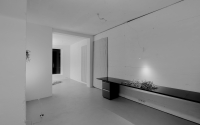
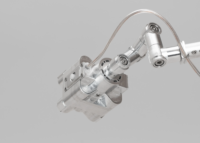
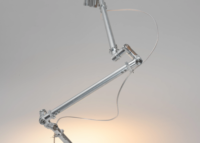
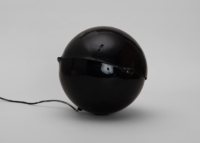
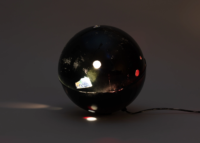
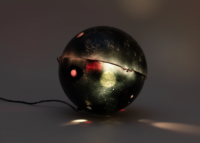
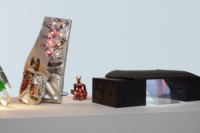
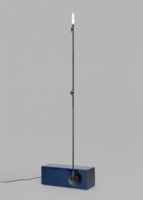
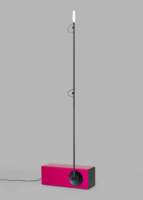
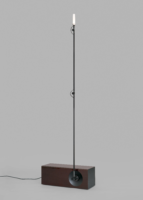
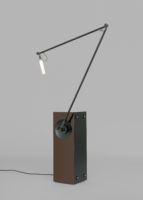
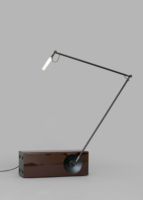
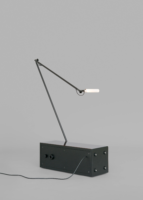
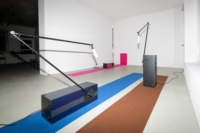
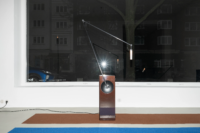
The title serves both as the name of the exhibition and the individual works, drawing on terminology from the Hi-Fi environment: AMP as amplifier, and more broadly as ampere, the unit of electrical current.
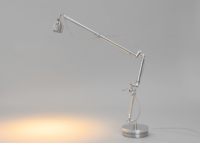
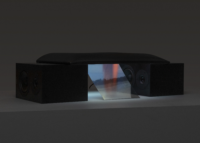
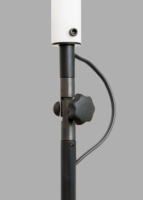
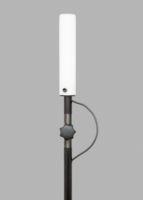
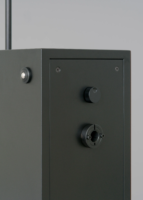
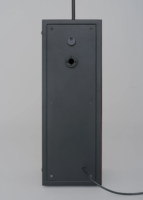
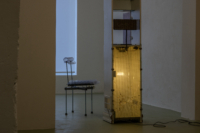
The work combines formal references drawn from antennas and loudspeakers—specifically the Yamaha NS-BP80 speaker model—with components commonly used in industrial production.
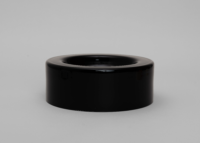
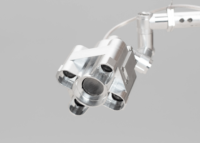
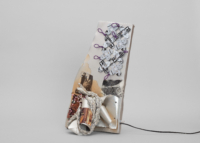
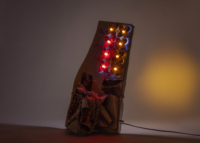
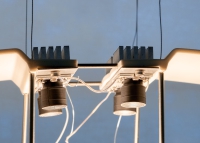
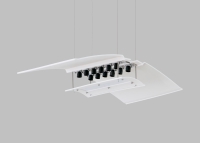
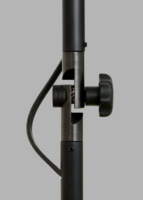
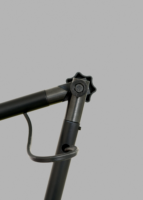
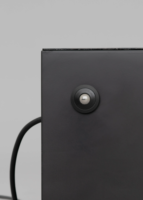
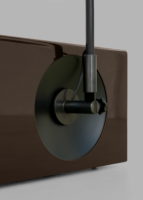
The body of the luminaire is made from wood, finished in matte black lacquer. It is combined with a bent steel plate finished in a glossy automotive lacquer, which features an opening with a recessed, concave surface. From this point, an articulated metal arm with multiple joints extends, allowing the light element to rotate and pivot freely. Ball transfer units are integrated along two sides of the body, serving as industrial rollers depending on orientation. Additional technical elements, including the joint support, light switch, and cable, are placed on the reverse.
While the luminaire has a defined front, the reverse remains intentionally exposed. Technical components are not concealed but treated as integral parts of the object’s appearance, giving equal visual weight to all sides.
The artists would like to thank their collaborators Claudio Burlina, Artigan Mobili, Orsettigh Ferruccio s.n.c., and Simon Speiser.
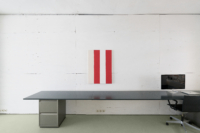
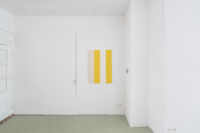
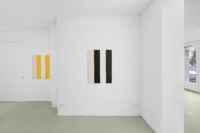
Stripe paintings: critical or affirmative?
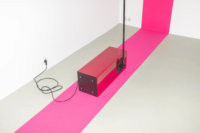
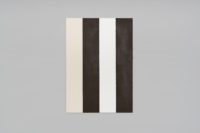
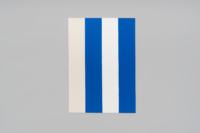
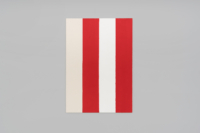
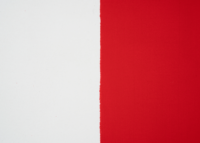
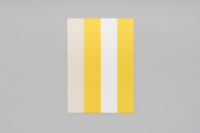
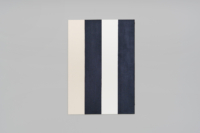
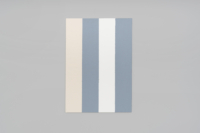
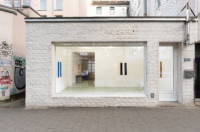
kammer invited us to make this exhibition in response to an earlier show we did in Berlin, featuring (1) a copy of an E. Kelly painting and (2) a geometric painting derived from (1). This show results from a collaboration between artist and artist and gallerist.
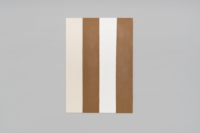
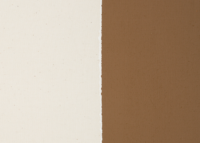
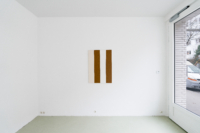
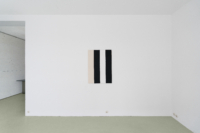
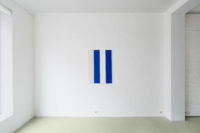
The paintings are a product of a series of deferrals or evasions of responsibility, or evasions. The primary colours of (1) were a starting point, but here the stripe format is reminiscent of critical painting (Burenish). How to structure a painting economically, so that the painting reveals its material, and insists on its status as merchandise? This question was addressed by Buren 60 years ago. His critical stripes later flipped into affirmative decor. The relation between these terms is raised by the current show; a third possible outcome for critical painting is irrelevance.
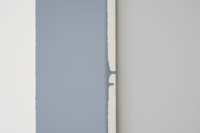
Deductively structured, these eight paintings are economical. The stretchers are the largest size one can get without a crossbar. Another deferral is to talk about the way the paintings were made. This text is in a way a deferral as well.
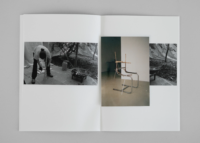
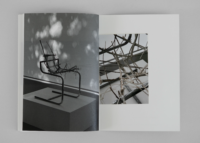
study for a chair
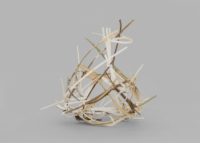
The project began after a period of time living with the Cesca B32 chair by Marcel Breuer, positioned at my desk at home, I often found myself analysing its form. In this way, new forms started to emerge and develop in my mind, and when kammer approached me, a ’study for a chair‘ was born.
kammer provided a Cesca B32 chair as my starting point. The idea was for me to engage with the gallery space in Hamburg for one week and work with the materials on site. Working at, and with the materials of a site sits as one of my core interests as a designer.
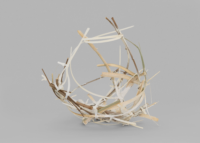
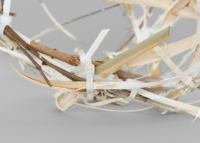
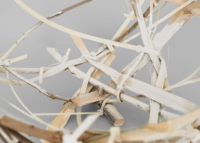
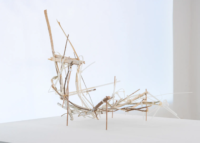
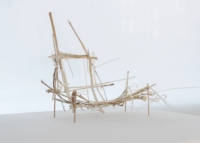
Together, we examined the wood properties of the trees growing in the gallery garden. We set up a temporary workshop where I could cut, boil, and bend the branches, as well as bamboo, that was sourced at a local garden center.
This became a form-finding exercise, a highly concentrated and manual process of heat-bending branches trimmed from the gallery garden, to reorder the familiar lines of the studied Cesca B32 chair.
On the first day, I worked together with Bennet from Ballern Cycles to adapt the tubular metal structure. In the four days after this, I spent time form-finding the woven and wooden section, using the metal frame as a reference for scale and positioning.
Gustav Kammer, and I felt the outcome of the project belonged in the context of prototyping research and we decided to dedicate the presentation to this specific and cherished outcome. The adapted metal structure will be developed at a later stage into a finalised chair design.
Text by Grace Prince
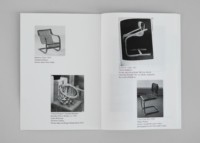
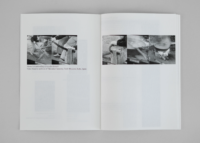
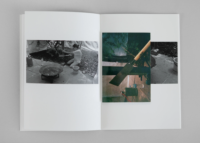
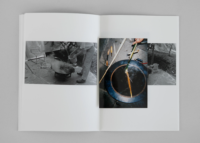
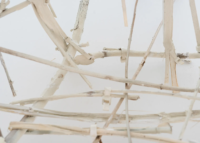
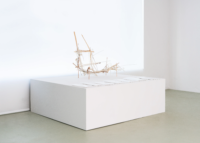
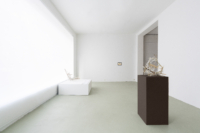
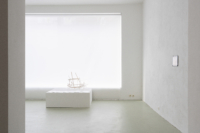
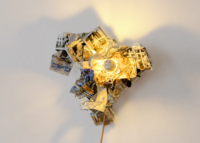
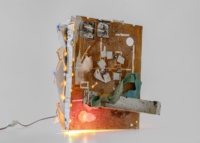
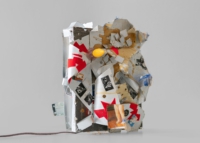
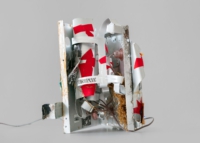
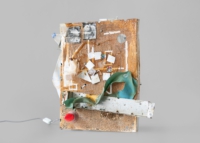
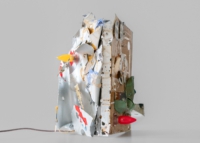
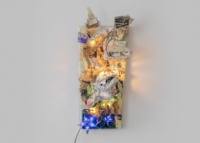
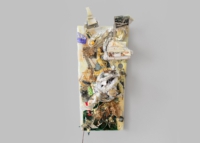
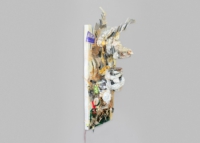
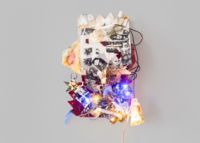
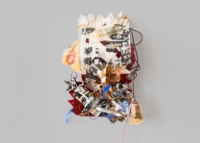
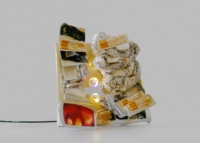
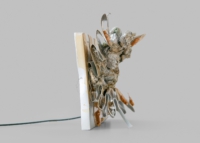
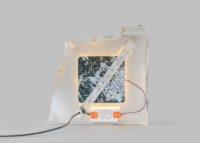
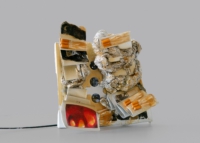
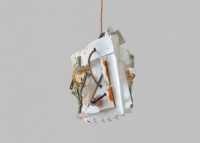
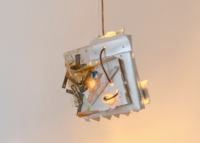
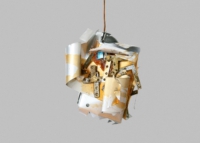
For the first edition of Neu Cöln, kammer presents a new body of work by Canadian artist Ben Schumacher, developed in collaboration with designer Felix Taylor.
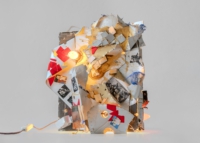
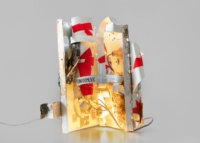
Schumacher’s practice has long included fabricated, furniture-like forms, though these previously appeared as sculptural components within larger installations and without practical function. Since late last year, he has begun developing works with Taylor that also operate as usable objects. In this series, the structures function as light sculptures — autonomous artworks that can simultaneously serve as light sources.
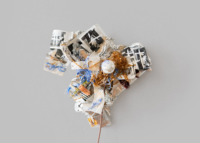
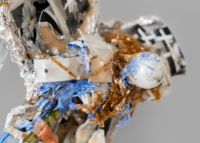
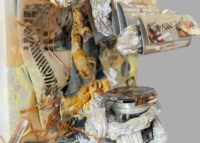
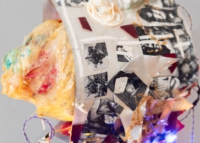
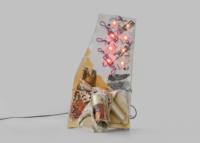
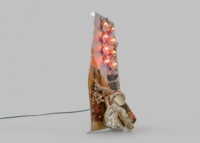
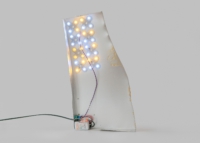
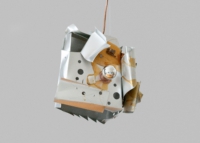
The works take the form of layered assemblages: cut and bent anodized aluminum sheets combined with lighting components, printed images and small studio materials, which are fixed in place with epoxy poured across the surface.
Though they include integrated light sources, they are not dependent on illumination; the electronic elements operate as one layer among others. The pieces can be installed in multiple orientations — mounted on the wall or shown resting on horizontal surfaces or suspended from the ceiling — and function both as sculptural objects and as assemblages that echo a painterly logic.
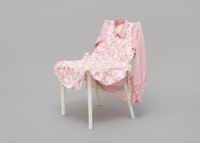
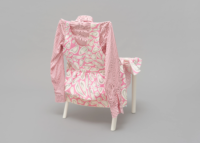
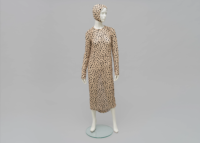
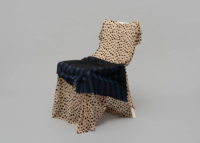
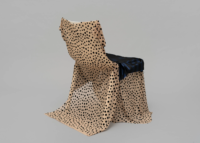
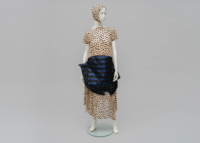
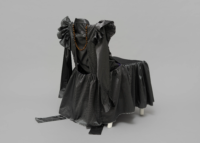
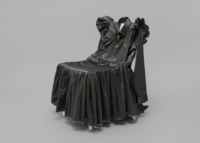
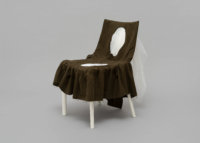
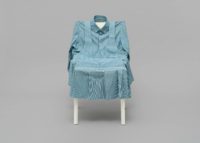
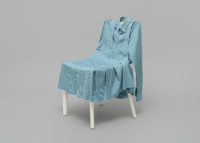
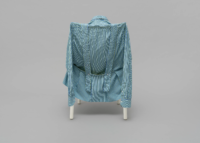
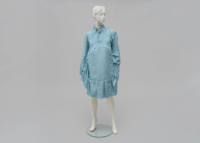
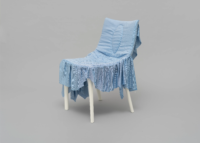
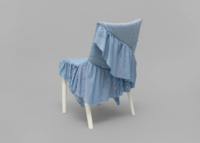
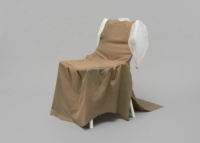
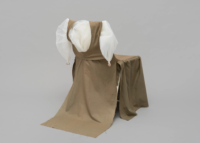
(whispering) Sit on me, be caressed by me. I am your chair. Be chaired by me.
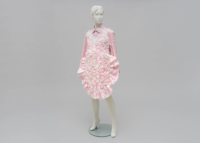
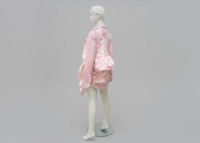
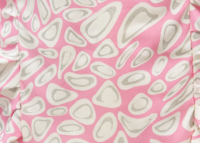
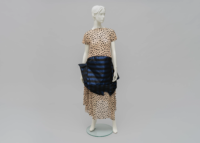
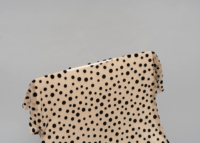
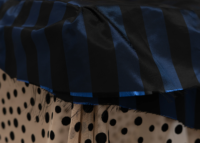
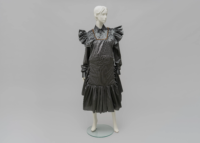
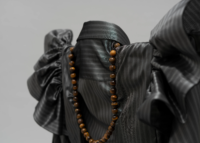
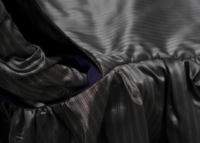
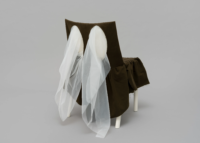
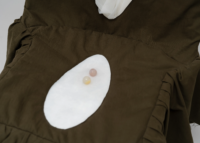
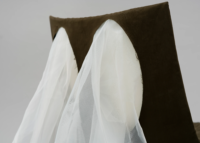
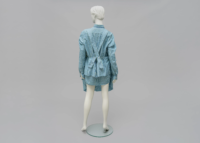
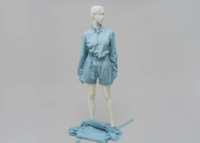
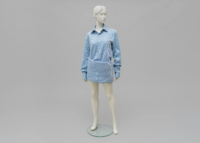
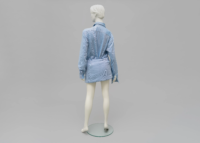
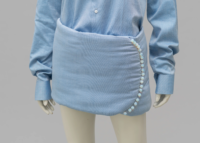
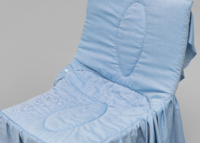
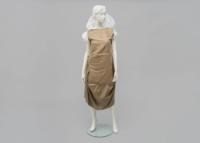
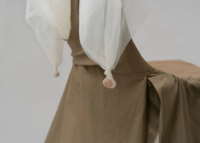
Sick of that soulless, corporate consumer chair in your bedroom or office? Dress it like you would your friend: in custom-tailored shirting from Rome, impearled by moonstones charged with healing energies. Tired of looking at the chair’s outfit? Wear it yourself and buy it a second one. From day to night, from laundry day to evening gala, the Chairwomen are suited for your every need. Fashion or art? HULFE insists on being both. Conservative application: improve your chairs. Progressive application: improve your relationship with objects. Why should your chairs remain naked while you get dressed for dinner?
Instructions for use: Drape over chair. Observe transformation of ordinary furniture into sculptural statement. Remove. Wear to gallery opening, morning mimosas, or lunch with your ex. Return to chair. Repeat as desired.
Text by waystomakemoneyonline
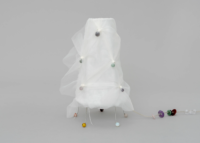
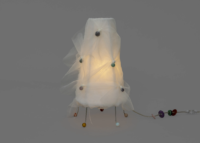
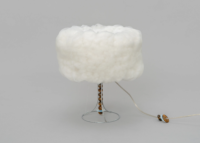
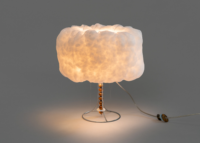
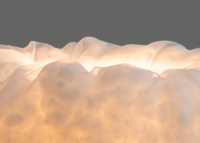
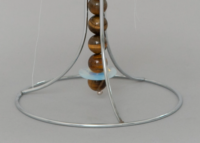
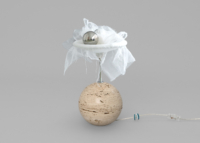
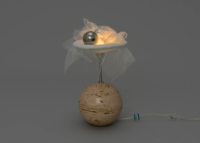
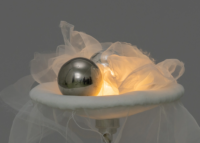
We are pleased to present the work of Charlie Froud, Kathleen Reilly and Tomomi Yamakawa for the second group exhibition at kammer.
The objects presented bring to mind three distinctive artistic and/or artisanal traditions: cabinetry, metalwork, and readymade sculpture. Despite their functional differences, they are all forms occupied by the problem of material transformation through techne. This common feature, which is undoubtably tied to the history of craft and its complex relationship to art, is the starting point from which Froud, Reilly and Yamakawa each explore the formal and conceptual possibilities of their respective crafts.
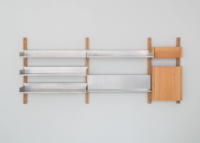
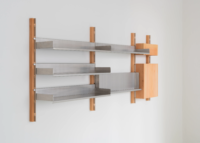
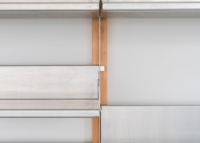
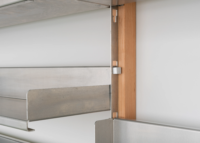
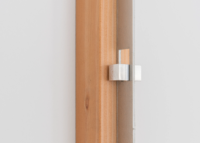
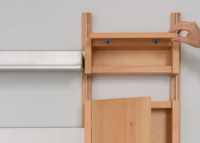
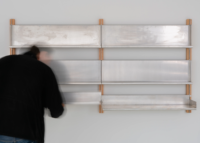
Mounted to the gallery wall, Froud’s modular shelving unit has been designed and manufactured using a combination of manual artisanship and industrial production. The wooden cabinets are handmade by the artist; the aluminium components are outsourced to commercial fabricators. A small cubic pin locks each shelf into place, fastening the industrial metal shelves to the wooden framework. This joinery system, a reminder of the aesthetic potential of structural utility, literally connects two oppositional modes of production into a single, unified design.
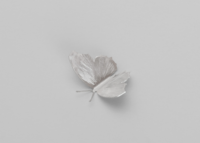
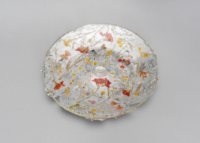
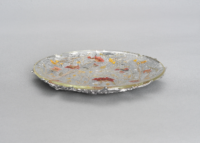
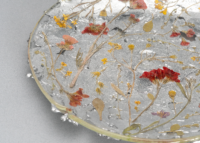
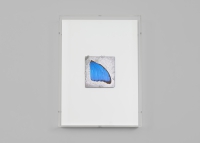
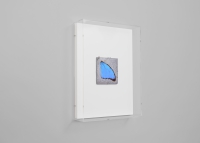
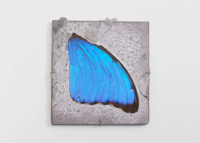
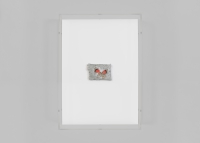
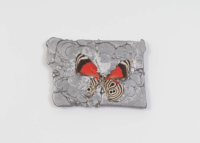
The wall pieces that accompany Froud’s cabinet are created by Reilly using molten tin alloy that is cast into loosely rectangular forms. As the metal cools, butterflies are encased into its hardening surface, producing a decorative sunken relief laced with fragments of organic matter left behind from the casting procedure. Her glassware is enclosed in a thin layer of metal, which has been spun on a pottery wheel. Hand-pressed flowers are set into the tin and framed behind glass plates, halting the organic process of decomposition.
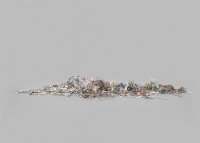
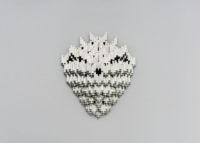
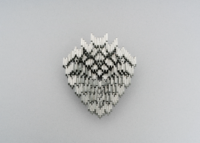
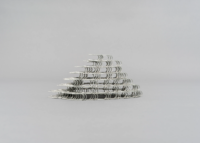
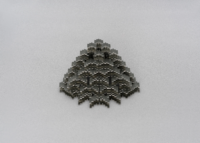
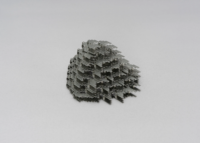
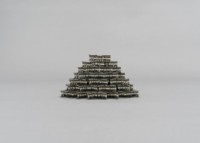
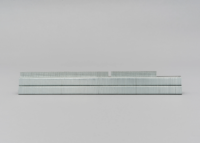
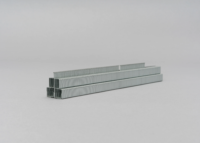
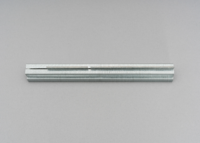
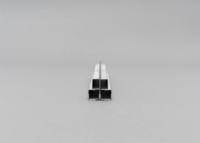
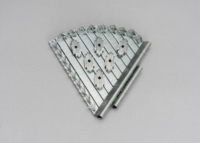
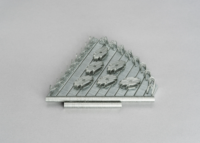
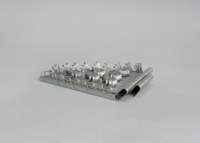
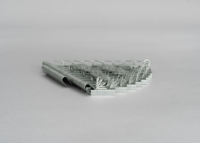
Yamakawa’s steel sculptures are made using staple pins, which she manipulates by hand into geometric forms. Mass-produced office stationery is treated like precious metal. The individual pins—commonly used to bind documents, secure packaging, or, in the artist’s case, to stretch canvas—are fused together in sets to create meticulous tectonic arrangements. By relinquishing the staple pin of its quotidian usage, Yamakawa reassigns the object a new aesthetic value that paradoxically remains indexed by its original (albeit mutated), prefabricated form.
Text by Camille Orel
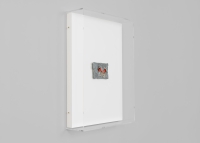
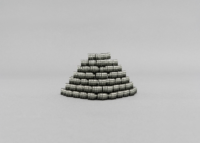
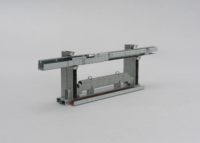
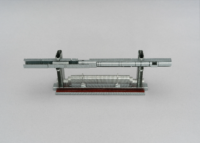
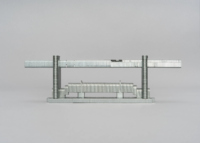
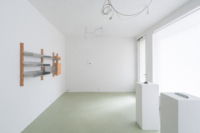
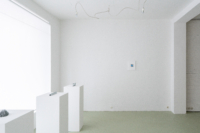
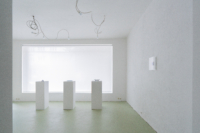
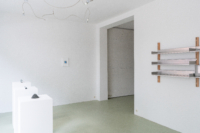
With the exhibition Lost and Found Consultancy, kammer presents the first solo show of Belgian artist Arnaud Eubelen in Hamburg. This marks the first collaboration between Eubelen and the gallery.
The title Lost and Found Consultancy, refers to Eubelen’s own artistic approach. He collects materials found on the street and transforms them through his design process, giving them new function and identity. This process can be understood as a playful form of consulting — an exploration of what can emerge from things that seem lost or obsolete. At the same time, the title also alludes to the role of the gallery, which — like any business — serves a consultative function.
The exhibition presents works from 2019 to the present. Arnaud Eubelen’s practice is not to be understood as a linear development, but as a circular process. He continually recontextualizes older works, allowing their perception and meaning to shift over time.
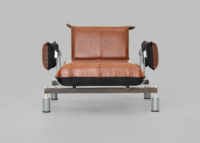
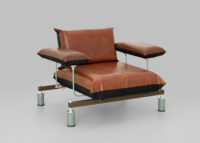
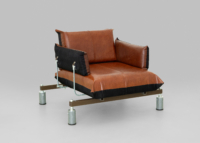
Lost and Found Consultancy features a variety of works, including photographs, a wall piece, lamps, mirrors, chairs, a table, a serving cart, and an armchair.
Eubelen creates scenes that resemble fragments of an interior — not complete spatial arrangements, but isolated excerpts. This approach ensures that his works never appear isolated; instead, they are always in dialogue with their surroundings. They are made to exist in company.
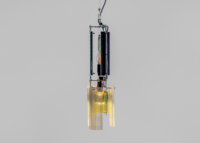
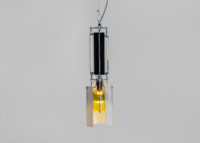
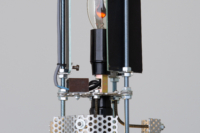
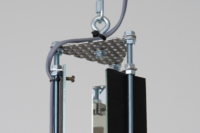
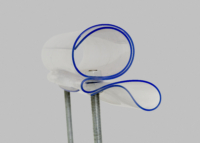
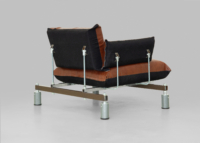
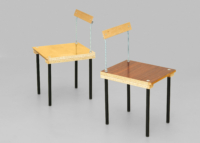
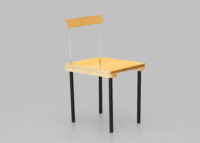
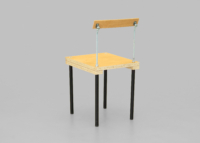
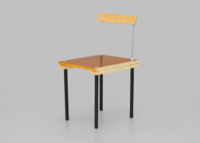
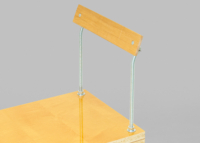
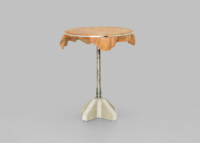
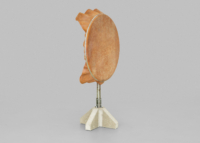
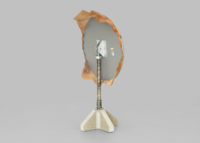
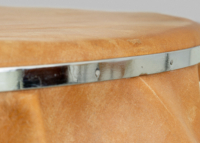
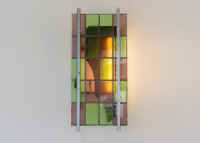
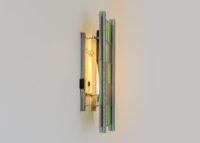
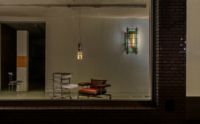
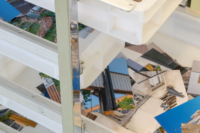
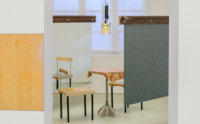
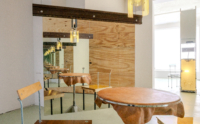
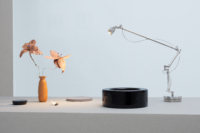
We are pleased to announce the inaugural exhibition of kammer, a new gallery in Hamburg, run by Gustav Kammer.
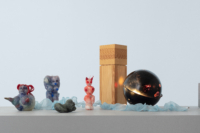
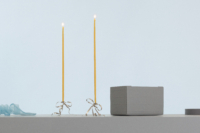
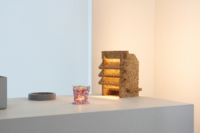
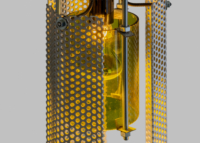
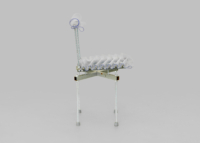
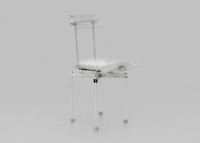
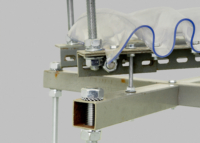
An arrangement of two dozen small-scale objects reminiscent of a domestic genre painting, ‚Stillleben‘, wich transaltes to stillifes embodies the gallery’s vision of exploring the nuanced boundaries between art and design.
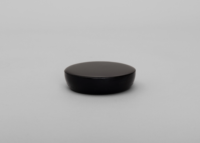
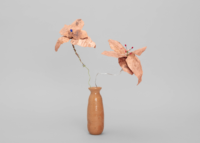
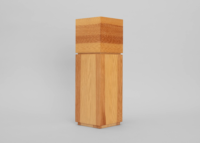
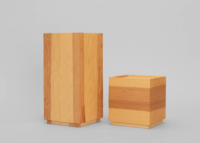
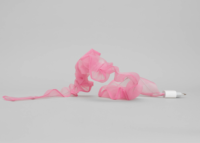
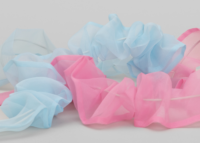
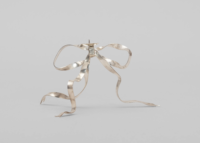
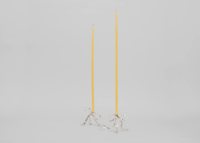
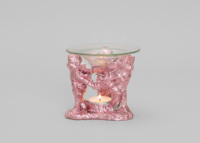
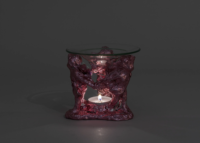
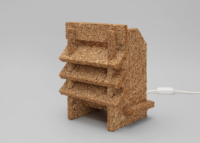
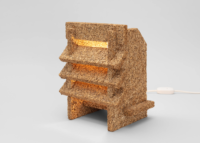
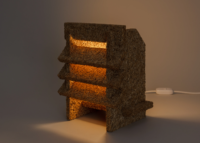
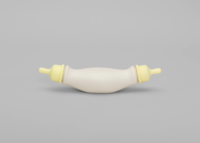
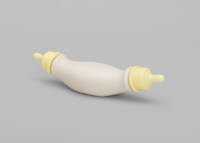
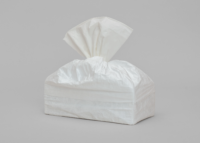
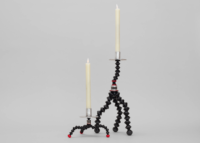
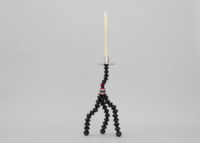
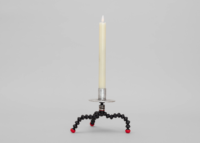
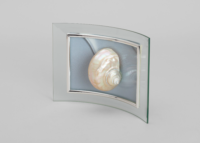
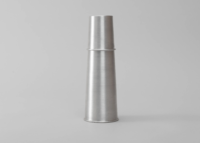
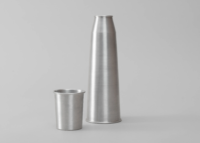
The exhibition presents a diverse array of objects—a framed picture, assemblage, bowl, flask, cup, plate, box, lamps, sculptures, candle holders, candles, cord covers, essential oil burner, and tissue boxes—crafted from materials like wood, ceramics, aluminum, plastic, rubber, silicone, Tyvek, textile, glass, wax, silver, colored foil, Dr. Pepper reduction, and pressed hemp. While some pieces reflect a commitment to craftsmanship, others prioritize a conceptual approach or experimental use of materials, inviting viewers to reconsider the potential and meanings of everyday objects.
Featuring unique works and artisanally crafted editions by twenty-four international contributors, ‚Stillleben‘ highlights the functional and decorative possibilities of artworks while celebrating the aesthetic virtues of design. By bridging art and design, the gallery fosters interaction between these neighbouring domains of visual cultural production, offering a platform for emerging talents from both fields.